
[fusion_builder_container hundred_percent=”yes” overflow=”visible”][fusion_builder_row][fusion_builder_column type=”1_6″ layout=”1_6″ last=”no” spacing=”yes” center_content=”no” hide_on_mobile=”no” background_color=”” background_image=”” background_repeat=”no-repeat” background_position=”left top” border_size=”0px” border_color=”” border_style=”” padding_top=”” padding_right=”” padding_bottom=”” padding_left=”” margin_top=”” margin_bottom=”” animation_type=”” animation_direction=”” animation_speed=”0.1″ class=”” id=”” min_height=”” hover_type=”none” link=”” border_position=”all”][/fusion_builder_column][fusion_builder_column type=”2_3″ layout=”2_3″ last=”no” spacing=”yes” center_content=”no” hide_on_mobile=”no” background_color=”” background_image=”” background_repeat=”no-repeat” background_position=”left top” border_size=”0px” border_color=”” border_style=”” padding_top=”” padding_right=”” padding_bottom=”” padding_left=”” margin_top=”” margin_bottom=”” animation_type=”” animation_direction=”” animation_speed=”0.1″ class=”” id=”” min_height=”” hover_type=”none” link=”” border_position=”all”][fusion_text]

Final days 1918

[/fusion_text][/fusion_builder_column][fusion_builder_column type=”1_6″ layout=”1_6″ last=”yes” spacing=”yes” center_content=”no” hide_on_mobile=”no” background_color=”” background_image=”” background_repeat=”no-repeat” background_position=”left top” border_size=”0px” border_color=”” border_style=”” padding_top=”” padding_right=”” padding_bottom=”” padding_left=”” margin_top=”” margin_bottom=”” animation_type=”” animation_direction=”” animation_speed=”0.1″ class=”” id=”” min_height=”” hover_type=”none” link=”” border_position=”all”][/fusion_builder_column][fusion_builder_column type=”1_6″ layout=”1_6″ last=”no” spacing=”yes” center_content=”no” hide_on_mobile=”no” background_color=”” background_image=”” background_repeat=”no-repeat” background_position=”left top” border_size=”0px” border_color=”” border_style=”” padding_top=”” padding_right=”” padding_bottom=”” padding_left=”” margin_top=”” margin_bottom=”” animation_type=”” animation_direction=”” animation_speed=”0.1″ class=”” id=”” min_height=”” hover_type=”none” link=”” border_position=”all”][/fusion_builder_column][fusion_builder_column type=”2_3″ layout=”2_3″ last=”no” spacing=”yes” center_content=”no” hide_on_mobile=”no” background_color=”” background_image=”” background_repeat=”no-repeat” background_position=”left top” border_size=”0px” border_color=”” border_style=”” padding_top=”” padding_right=”” padding_bottom=”” padding_left=”” margin_top=”” margin_bottom=”” animation_type=”” animation_direction=”” animation_speed=”0.1″ class=”” id=”” min_height=”” hover_type=”none” link=”” border_position=”all”][fusion_imageframe lightbox=”no” lightbox_image=”” style_type=”dropshadow” bordercolor=”” bordersize=”0px” borderradius=”0″ stylecolor=”” align=”center” link=”” linktarget=”_self” animation_type=”0″ animation_direction=”down” animation_speed=”0.1″ hide_on_mobile=”no” class=”” id=””] [/fusion_imageframe][fusion_text]

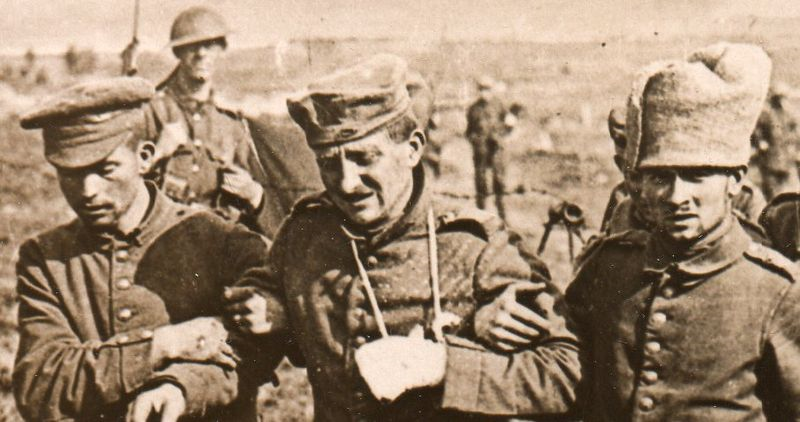
German prisoners ( taken on the Somme, 1916, by official Canadian photographer)

[/fusion_text][/fusion_builder_column][fusion_builder_column type=”1_6″ layout=”1_6″ last=”yes” spacing=”yes” center_content=”no” hide_on_mobile=”no” background_color=”” background_image=”” background_repeat=”no-repeat” background_position=”left top” border_size=”0px” border_color=”” border_style=”” padding_top=”” padding_right=”” padding_bottom=”” padding_left=”” margin_top=”” margin_bottom=”” animation_type=”” animation_direction=”” animation_speed=”0.1″ class=”” id=”” min_height=”” hover_type=”none” link=”” border_position=”all”][/fusion_builder_column][fusion_builder_column type=”1_6″ layout=”1_6″ last=”no” spacing=”yes” center_content=”no” hide_on_mobile=”no” background_color=”” background_image=”” background_repeat=”no-repeat” background_position=”left top” border_size=”0px” border_color=”” border_style=”” padding_top=”” padding_right=”” padding_bottom=”” padding_left=”” margin_top=”” margin_bottom=”” animation_type=”” animation_direction=”” animation_speed=”0.1″ class=”” id=”” min_height=”” hover_type=”none” link=”” border_position=”all”][/fusion_builder_column][fusion_builder_column type=”2_3″ layout=”2_3″ last=”no” spacing=”yes” center_content=”no” hide_on_mobile=”no” background_color=”” background_image=”” background_repeat=”no-repeat” background_position=”left top” border_size=”0px” border_color=”” border_style=”” padding_top=”” padding_right=”” padding_bottom=”” padding_left=”” margin_top=”” margin_bottom=”” animation_type=”” animation_direction=”” animation_speed=”0.1″ class=”” id=”” min_height=”” hover_type=”none” link=”” border_position=”all”][fusion_text columns=”” column_min_width=”” column_spacing=”” rule_style=”default” rule_size=”” rule_color=”” hide_on_mobile=”small-visibility,medium-visibility,large-visibility” class=”” id=”” animation_type=”” animation_direction=”left” animation_speed=”0.3″ animation_offset=””]

The war was almost over by the beginning of November 1918. From the German point of view, the Schlieffen Plan failed in 1914, the Verdun Offensive failed in 1916 and the Allies were bolstered by America’s entry into the war in 1918. Germany was riddled with strikes and mutinies; the civilian population was disillusioned. Retreating German forces attempted a last stand at the Sambre-Oise canal. The First, Third and Fourth British Armies launched their final major offensive.

Battle of the Sambre, France

November 4th 1918

Two Radcliffe servicemen serving with the 9th Sherwood Foresters were killed on November 4th, 1918. The previous day, the 9th Battalion were ordered to attack and capture the line of the River Aunelle the next day and push forward to Thiez and Sebourg.

From Sherwood Foresters War Diaries (held at the Worcestershire and Sherwood Foresters Regimental Museum, Nottingham)

November 4th 1918: At 05.30 the Battn. without Artillery preparation, continue the pursuit of the enemy and capture Sebourg (Sheet 51) overcoming the slight opposition met with in the village, inflicting a number of casualties on the enemy. In attempting to capture the high ground E. of Sebourg (A.21 and 27), “C” and “D” Coys. met with strong opposition from M.G. fire and the enemy attempted a local counter attack which only resulted in our foremost coys. having to fall back slightly to conform with Units on the flanks. See Appex. No.73.

During the counter attack, which was delivered from the Ridge A.2l and 27, two 4.5 Hows. attached to the Battn. engaged the enemy with open sights and inflicted casualties. (These Hows. fired from Bn. H.e. F.30. sheet 51A, 2000 yds. from the enemy). The leading coys. “C” and “D” suffered fairly heavily during operations, chiefly from M.G. fire.

The extent of the Advance was 4000 yds.

Heavy casualties were inflicted on the enemy by our Lewis Gun and Rifle fire both in the village and on the Ridge. 30 Prisoners were captured, 3 Tanks recaptured, 10 M.G’s captured. Orders were issued during the afternoon for an attack to be made to gain ridge with Artillery Support Zero to be 1700, but this was postponed and the Battn. dug in for the night on the Eastern outskirts of Sebourg . App.74. Map No.3.

November 4th 1918, near Sebourg, south-west of Mons: death of Sergeant 266072 John Nowell, 9th Bn. Sherwood Foresters, 33rd Brigade, 11th (Northern) Division,.

Death of Lance Corporal 27472 Walter Dyson, 9th Bn., Sherwood Foresters, age 40. He was formerly a Nottingham schoolmaster. Wilfred Owen, war poet serving with the Manchester Regiment, was also killed in this battle while attempting to lead his men across the Sambre canal.

[/fusion_text][fusion_text]Next: The Armistice>[/fusion_text][/fusion_builder_column][fusion_builder_column type=”1_6″ layout=”1_6″ last=”yes” spacing=”yes” center_content=”no” hide_on_mobile=”no” background_color=”” background_image=”” background_repeat=”no-repeat” background_position=”left top” border_size=”0px” border_color=”” border_style=”” padding_top=”” padding_right=”” padding_bottom=”” padding_left=”” margin_top=”” margin_bottom=”” animation_type=”” animation_direction=”” animation_speed=”0.1″ class=”” id=”” min_height=”” hover_type=”none” link=”” border_position=”all”][fusion_text]

How Radcliffe servicemen died
Radcliffe Servicemen and British Army
1914 Retreat from Mons
1914 Battle of the Marne, 1st Battle of Ypres
1915 Battle of Neuve Chapelle, Aubers Ridge
1915 Gallipoli
1915 2nd Battle of Ypres and other conflicts
1916 Conflicts prior to the Somme
1916 Battle of the Somme July
1916 Battle of the Somme August
1916 Battle of the Somme Autumn
1917 Battle of Arras 
1917 3rd Battle of Ypres
1917 3rd Battle of Ypres (Passchendaele) 
1918 German Spring Offensive
1918 3rd Battle of the Aisne
1918 HMS Leasowe Castle torpedoed
1918 Last 100 Days, 5th Battle of Ypres
1918 Final Days
1918 The Armistice

[/fusion_text][/fusion_builder_column][/fusion_builder_row][/fusion_builder_container]